The How to Muslim Library
A garden for every kind of knowledge.
“Whoever takes a path seeking knowledge, Allah makes easy for him a path to Paradise.”
Sahih Muslim 2699
Eight gardens, from the Qur’an and Hadith to the Seerah and the Arabic language. Each one holds classic books, step-by-step guides and interactive lessons, and your notebook comes with you through all of them.
New to Islam? Start here with your first steps. Curious, or finding your way back? Try The Open Door.
الرياض
The gardens
Eight gardens, one for each field of knowledge
Every garden holds the books, guides and lessons for its subject, from a first step to the classical works. Enter one to see its shelves.
Qur’an
القرآنRecitation, meaning and reflection on the Book of Allah.
In this gardenTafsir · Tajwid · Word by word · Memorisation
Hadith
الحديثThe words and example of the Prophet ﷺ, and what they mean for us today.
In this gardenThe great collections · The Forty · Hadith sciences
Read now on How to MuslimBelief
العقيدةWho Allah is, His names, and the six pillars of faith.
In this gardenTawhid · The Names of Allah · Pillars of iman
Fiqh
الفقهHow to pray, fast, give and live, step by step.
In this gardenPurification · Salah · Fasting · Zakat · Hajj
Seerah & History
السيرة والتاريخThe life of the Prophet ﷺ, the Companions, and the history of the Muslims after them.
In this gardenThe Seerah · The Companions · Islamic history · Stories of the Prophets
Read now on How to Muslim- The Seerah shelf: books on his life
- The History shelf: books era by era
- Prophetic Footsteps: the Seerah
- Athar: Islamic history, era by era
- Ummah Atlas
- Lost Islamic History: our notes
- Meeting Muhammad: our notes
- Interactions of the Greatest Leader: our notes
- The Final Prophet: our notes
- Seerah and history courses on Nawara Academy
The Heart
التزكيةCharacter, manners and the purification of the soul.
In this gardenAkhlaq · Adab · Tazkiyah
Read now on How to Muslim- The character of the Prophet ﷺ
- Istighfar
- Mental health in Islam
- Being Muslim: our notes
- Now You Are a Mother: our notes
- Meeting Muhammad: our notes
- Allah Loves: our notes
- The Answered Supplication: our notes
- Prayers of the Pious: our notes
- Love of Allah: our notes
- 44 Ways to Manhood: our notes
- When your iman feels gone
- Character courses on Nawara Academy
- Taste the Sweetness of Salah: our notes
- Daily Adhkar: our notes
- The Very Best of ProductiveMuslim: our notes
- Interactions of the Greatest Leader: our notes
Arabic
العربيةThe language of the Qur’an, from the first letter to grammar.
In this gardenAlphabet · Vocabulary · Nahw and Sarf
Du’a & Dhikr
الأذكارRemembrance for the morning, the evening and every moment between.
In this gardenMorning and evening · Daily duʿas · Duʿas of the Qur’an
الكتب
Books
From the scholars’ shelves
Classic works and How to Muslim’s own guides, to read in full in your browser. Choose a garden, or search from the top of the page.
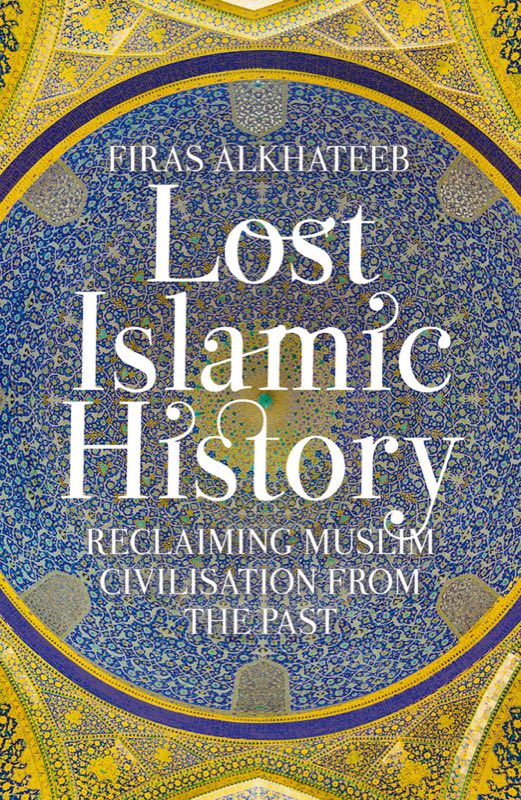
Islamic history from pre-Islamic Arabia to today, in twelve chapters. Our chapter notes, a timeline and a map.
Open our notes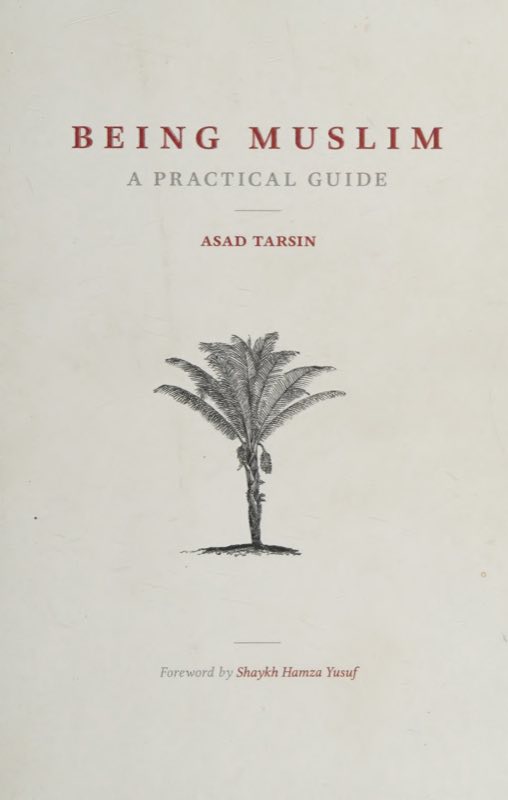
A practical guide for new and returning Muslims: belief, worship, the heart and daily life, in eight chapters. Our chapter notes, a first-steps checklist and the surahs to learn.
Open our notes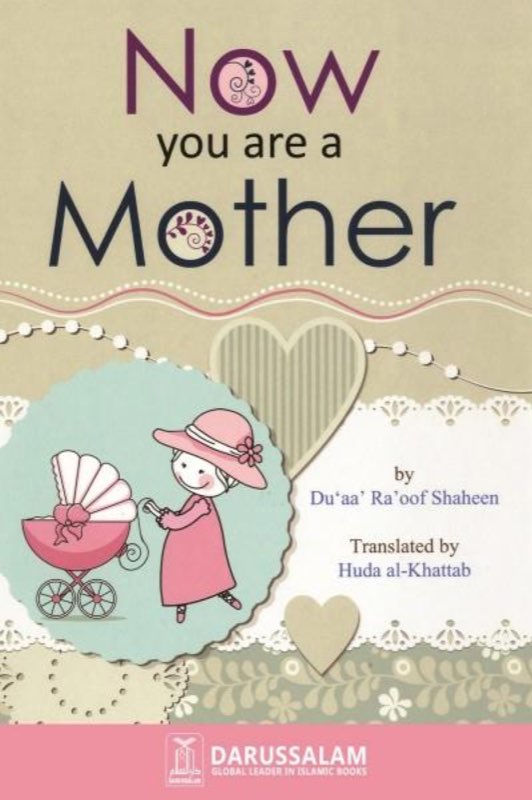
A handbook for the first four years: the Sunnah of a newborn, feeding, sleep, milestones, safety and illness. Our chapter notes, a first-week checklist and what has changed since.
Open our notes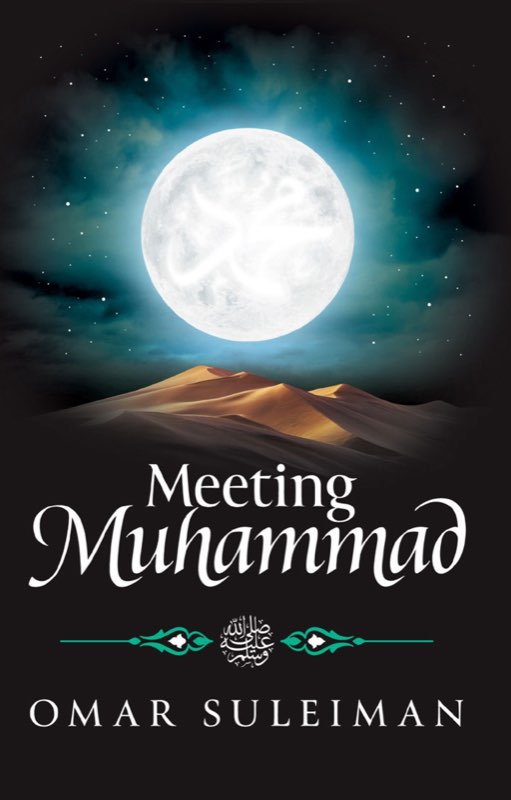
Thirty scenes that place you beside the Prophet ﷺ, from his Friday sermon to his last smile. Our chapter notes, his habits as a checklist and the du‘as from the book.
Open our notes
Thirty short chapters on the qualities, deeds and people Allah loves, from piety and repentance to gentleness, prayer on time and beauty. Our chapter notes, a quality a day as a checklist, and the du‘as from the book.
Open our notes
Eleven essentials and thirty-three suggestions for Muslim men, from sincerity and halal income to keeping promises, honouring women and fasting. Our notes on each way, a way a day as a checklist, and what to read with care.
Open our notes
A short book on du‘a: what it is, the du‘as of the Qur’an and the Prophets, when du‘a is answered and why some prayers are held back. Our chapter notes, the manners of du‘a as a checklist, and the du‘as from the book.
Open our notes
Thirty du‘as of the Companions and the early Muslims, from Abu Bakr asking for a good ending to a woman praying on her roof at midnight. Our chapter notes, the du‘as in our own words, a prompt a day for your own, and the gradings checked.
Open our notes
A short, free guide to khushu‘ that walks through one prayer from the adhan to the salam, so that we pray out of love. Our notes on its twenty sections, a step from each for your next prayer, and the gradings checked.
Open our notes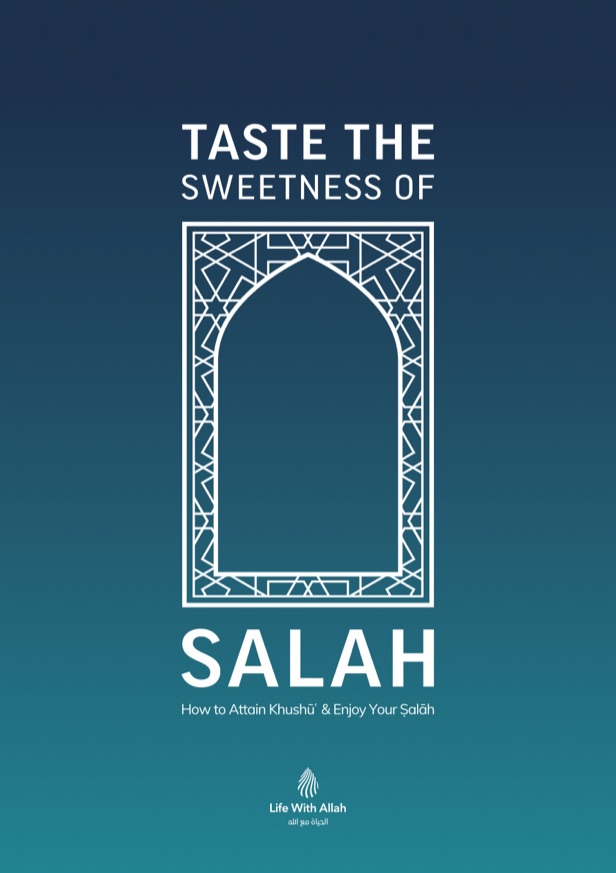
A free, practical book on khushu‘: why we lose it, ten steps before salah and ten during it, and a walk through the prayer from wudu to the adhkar after it. Our notes on its 29 sections, a step from each, and the hadith checked.
Open our notes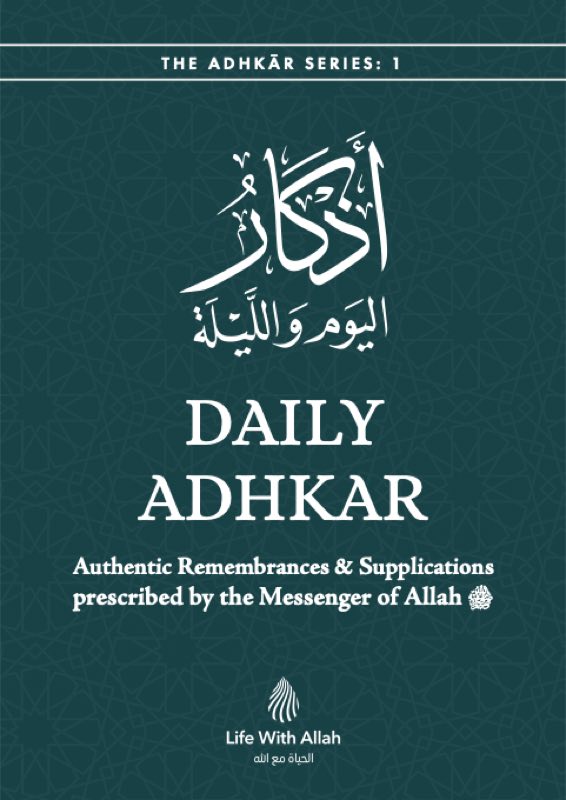
A free pocket book of the remembrances the Prophet ﷺ taught for every day: morning and evening, before sleep, after the prayer and for dozens of everyday moments. Our notes on its 31 sections, a step a day, the adhkar in our own words, and the hadith checked.
Open our notes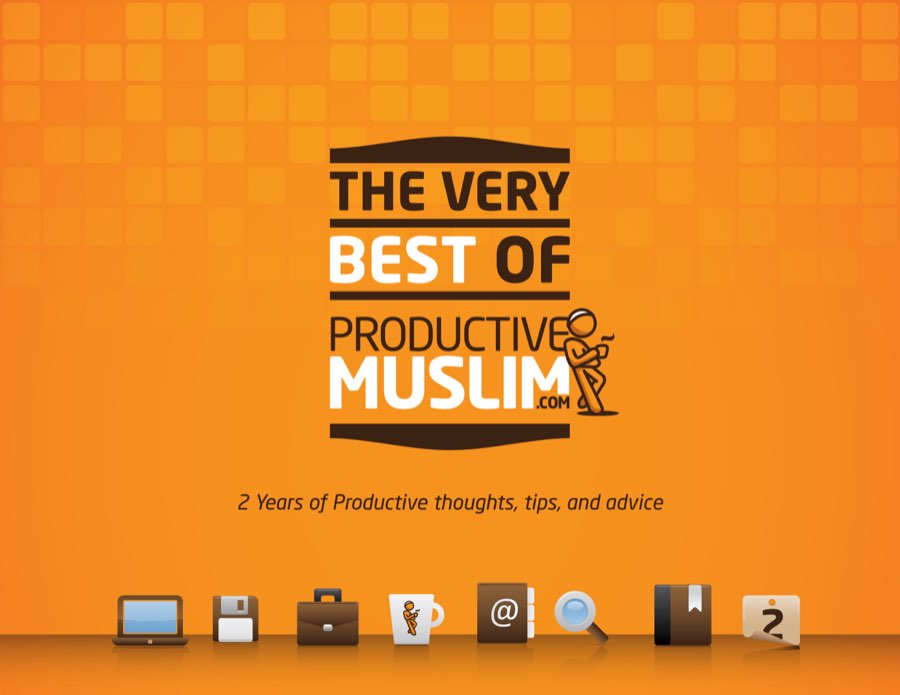
An early ebook of the best ProductiveMuslim.com articles: where your time goes, seven habits, a morning routine, eighteen sources of barakah, a clear mind, reading and sleep. Our notes on its 17 sections, a step a day, and the hadith checked.
Open our notes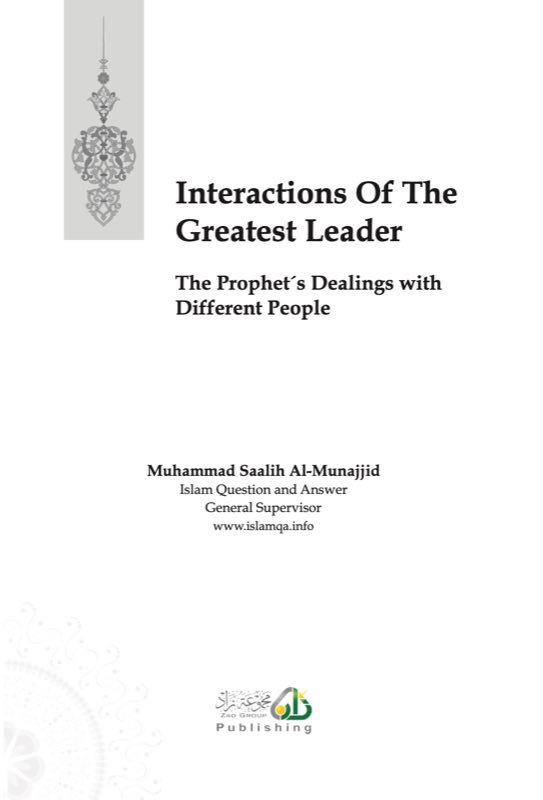
A very large, free book on how the Prophet ﷺ dealt with every kind of person: wives, children, neighbours, the poor and rich, new Muslims, sinners, women, the elderly and even animals. Our notes on its sections, a step a day, and the hadith checked.
Open our notes
Why we need prophets, and how the Prophet’s ﷺ honesty, mercy, achievements, message, prophecies, miracles and the Qur’an show he was God’s final messenger. Our notes on its 46 sections, a step a day, and three articles drawn from it.
Open our notes- تفسير ابن كثيرTafsir Ibn Kathir
The classic commentary, explaining the Qur’an through the Qur’an, the Sunnah and the Companions.
- جزء عمّJuz ’Amma with Notes
The last 37 surahs, word by word: tap any Arabic word for its meaning, and open each verse for notes, connections and the books that use it.
Read it word by word - رياض الصالحينRiyad as-Salihin
The Gardens of the Righteous: nearly 1,900 hadith arranged by chapter.
- الأربعون النوويةThe Forty Hadith
Forty-two short hadith that hold the foundations of the religion.
- الأسماء الحسنىThe Beautiful Names
The names of Allah as flashcards, each with its meaning and where it is mentioned.
Read it now on How to Muslim - الطهارةPurification, Step by Step
Wudu, ghusl and tayammum, with a picture for every step.
Read it now on How to Muslim - الشمائل المحمديةAsh-Shama’il
How the Prophet ﷺ looked, dressed, ate, laughed and lived.
- الرحيق المختومThe Sealed Nectar
The life of the Prophet ﷺ, from his birth in Makkah to his passing in Madinah.
- الأدب المفردAl-Adab al-Mufrad
Manners with parents, neighbours, guests and friends.
- الفوائدAl-Fawa’id
A scholar’s own notebook of reflections on the heart.
- من الألف إلى الياءAlif to Ya
The 28 letters of the Arabic alphabet, with their sounds and handwriting practice.
- حصن المسلمFortress of the Muslim
Duʿas for morning, evening, travel, illness and every day between.
تفاعلي
Interactive
Books you can tap, hear and practise
In every garden, words open their meanings, each step of a prayer has a picture, and every chapter ends with a short check of what stayed with you.
١ ٢
بِسْمِ
bismi
In the name of
Root letters س م و
The letter bi- means “with” or “in”, and ism means “name”. Muslims begin almost everything with these words.
Salah, Step by Step
Every position of the prayer with a picture, the words to say, and recitation you can slow down.
Read How to Pray nowThe Qur’an, word by word
All 114 surahs: tap any word for its meaning, like the verses beside this list, listen as each word is recited, and open each verse for its notes.
Open the Qur’an Start with Juz ’AmmaThe Forty Hadith
Read one hadith a day, hear it in Arabic, then answer three questions on it.
The Beautiful Names
Learn the names of Allah one card at a time, with their meanings.
See the 99 Names now
فوائد
Notes
Keep the benefits you find
Scholars kept notebooks of fawāʾid, the benefits they gathered while reading. Ibn al-Qayyim filled a whole book with his. Rawdah keeps yours beside the page each one came from.
Your notebook goes with you from garden to garden, so a line from Riyad as-Salihin and a verse from Surah al-Kahf can sit side by side.
- Highlight any line in any book.
- Write down what it taught you.
- Find it again on your notebook page, book by book and chapter by chapter.
- Share it by email, WhatsApp, or straight into Apple Notes.
-
Garden of the Qur’an · Surah al-Kahf 18:10
“Our Lord, give us mercy from Yourself and set right for us our affair.”
The young men asked for mercy and guidance before they asked to be kept safe.
28 Rabiʿ II 1448
-
Garden of Hadith · Riyad as-Salihin, Sincerity, hadith 1
“Actions are only by intentions, and each person will have what they intended.”
Renew the intention before opening a book, not only before praying.
3 Jumada I 1448
The family garden · newborn to 4 years
little Amanah
How to Muslim’s parenting guide for the first four years, age by age: the Sunnah of a newborn and the aqiqah, feeding, sleep, milestones, health and safety. Our children are an amanah, a trust from Allah.
Open little Amanah-
The Sunnah of a newborn
Adhan, tahnik, naming and aqiqah
-
Newborn care
Birth to 3 months, step by step
-
1 to 2 years
Walking, talking and weaning
-
The Prophet ﷺ and children
How he treated children, with duʿas
For older children, Kids Corner lists checked Islamic shows, books and channels.
مَا بَيْنَ بَيْتِي وَمِنْبَرِي رَوْضَةٌ مِنْ رِيَاضِ الْجَنَّةِ
Why “Rawdah”
“What is between my house and my pulpit is a garden from the gardens of Paradise.”
Sahih al-Bukhari 1196
The Rawdah in the Prophet’s ﷺ mosque in Madinah has been a place of prayer and learning since his time. Its plural is riyāḍ, as in Riyāḍ aṣ-Ṣāliḥīn, the Gardens of the Righteous. This library is a set of riyāḍ, with one garden for each field of knowledge.
Common questions
What should I read first as a new Muslim?
Begin gently. Rawdah points new Muslims to the How to Muslim Start here page for first steps, and to our notes on Being Muslim by Asad Tarsin, a practical guide for new and returning Muslims covering belief, worship, the heart and daily life in eight chapters. The notes add a first-steps checklist and the surahs to learn. Pair it with the How to pray guide in Rawdah's Fiqh garden.
Is there a good order for studying Islam: belief, fiqh, seerah, then the heart?
Many Sunni teachers start with what every Muslim must know: core belief, then purification and prayer, with the seerah, the heart and the Qur'an alongside. Rawdah's gardens run in a similar order: Belief, Fiqh, Seerah, then the Heart. Details of worship differ between the four madhhabs, and Being Muslim follows the Maliki school, so our notes suggest following one sound school consistently, ideally with a teacher. Keep the dua of 20:114: "My Lord, increase me in knowledge."
Which seerah book is best for a beginner?
Rawdah's Seerah shelf gives a reading path. Start with Meeting Muhammad by Omar Suleiman, thirty short scenes for any age. Then read The Sealed Nectar by Safiur-Rahman al-Mubarakpuri for his whole life in order, from Makkah to Madinah. After that comes Ash-Shama'il of Imam at-Tirmidhi on how he looked and lived, and Yasir Qadhi's Sirah of the Prophet for a deeper second read.
Which English translation of the Qur'an should I read first?
Pick one clear translation, start small and listen while you read. The Qur'an: where to start page, linked from the Qur'an garden, suggests Quran.com, online with audio, and The Clear Qur'an by Dr. Mustafa Khattab. Begin with the shorter surahs near the end. Remember that any translation is a rendering of the meaning, not the Qur'an itself, so wording will differ between translators.
Are the books in Rawdah free?
Much of it is. The library itself, our chapter notes, the interactive lessons such as the Forty Hadith and the Beautiful Names, and your notebook cost nothing, and the classic works in the Books section can be read in your browser. Our notes are in our own words, so for modern titles like Being Muslim you buy the book from its publisher. Free planners and guides for new Muslims are linked too.